Optoelectronic properties
Certain molecules, like organic molecules with donor and acceptor groups, are notable for their ability to facilitate controlled intramolecular charge transfer
between spatially separated parts. This phenomenon plays a significant role in natural processes such as photosynthesis, photooxidation, and electronic transport.
These molecules are also ideal candidates for light-to-electricity conversion in applications like organic solar cells. For instance, molecules with localized
regions of electron excess and deficiency can interact locally with their environments, affecting their optoelectronic properties. These environment-dependent
changes can be leveraged to enhance the performance of donor-acceptor systems in renewable energy technologies and next-generation single-molecule electronic
devices.
Understanding the optoelectronic properties of these molecules is essential for elucidating charge migration mechanisms and fine-tuning their electronic behavior,
which is crucial for developing innovative materials for organic optoelectronic applications. Therefore, our goal in this context is to investigate the electronic
structure and optical properties of potentially interesting molecules both in the gas phase and when adsorbed on relevant substrates.
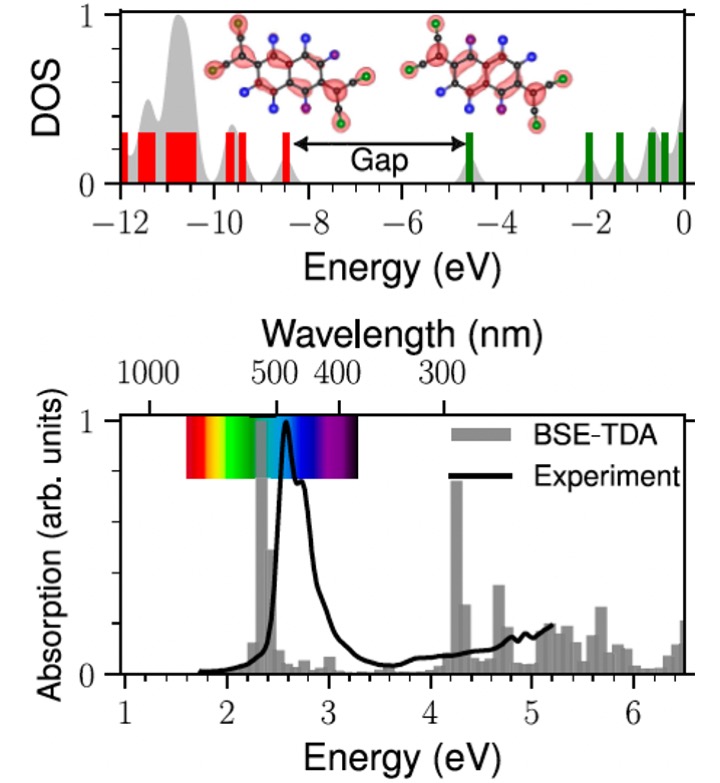
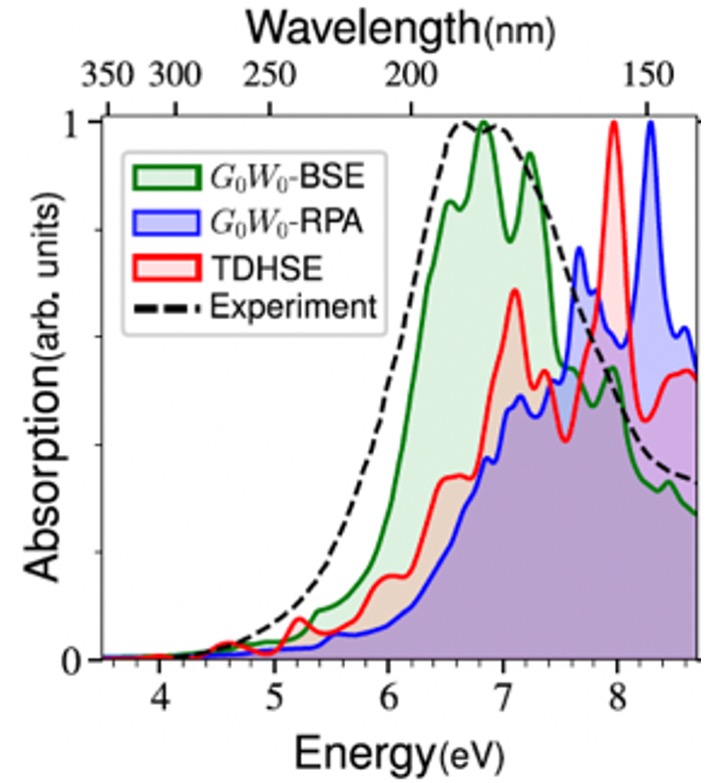
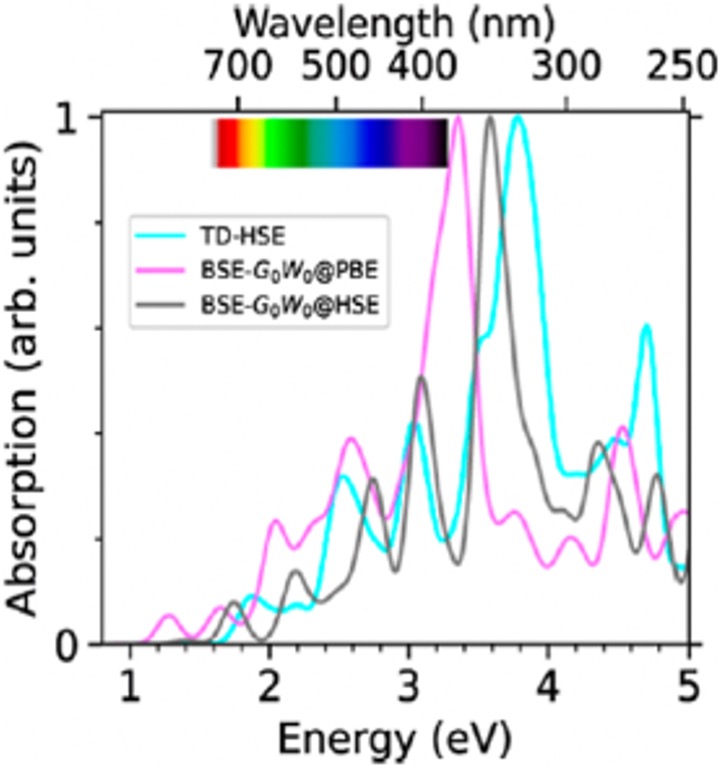
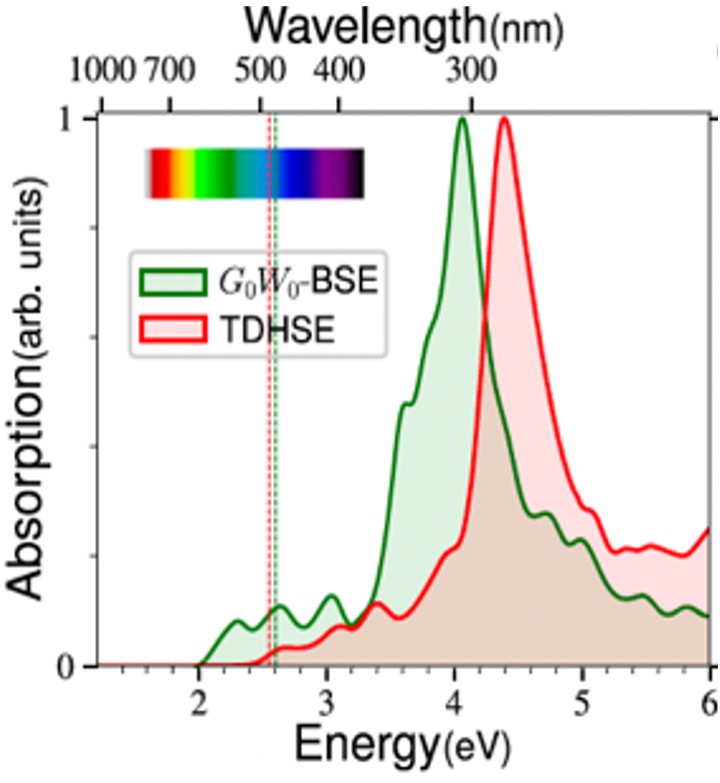
Related publications
4. Adsorption of organic donor-acceptor molecules on graphene/SiC preserves light-induced charge transfer
Masoud Mansouri, Cristina Díaz, Jaime T. Alcolea-Cerdán, Nazario Martín, Fernando Martín
Communications Chemistry, 9 137 (2026)
3. Tunable Doping and Optoelectronic Modulation in Graphene-Covered 4H-SiC Surfaces.
Masoud Mansouri, Fernando Martín, Cristina Díaz .
Journal Physical Chemistry C, 129 4155 (2025).
2. Optoelectronic properties of electronacceptor molecules adsorbed on graphene/silicon carbide interfaces.
Masoud Mansouri, C. Díaz , Fernando Martín.
Communications Materials 5:117 (2024).
1. Efficient photogeneration of nonacene on nanostructured graphene.
Cosme G. Ayani, Michele Pisarra, José I. Urgel, Juan Jesús Navarro, Cristina Díaz , Hironobu Hayashi, Hiroko Yamada, Fabian Calleja, Rodolfo Miranda, Roman Fasel, Fernando Mart%iacute;n, Amadeo L. Vázquez de Parga
Nanoscale Horizons 6 744 (2021).